




It has long been known that good nutrition and a well-balanced diet is one of the best defenses for your oral health. Providing your body with the right amounts of vitamins and minerals helps your teeth and gums—as well as your immune system—stay strong and ward off infection, decay and disease. Harmful acids and bacteria […]
...Read More
More and more people are avoiding the need for dentures as they grow older, going against the notion that false teeth are a normal part of growing older. In fact, there’s usually no reason for you NOT to keep your teeth your entire life, providing you maintain a healthy balanced diet and practice good oral […]
...Read More
Women have special needs when it comes to their oral health. That’s because the physical changes they undergo through life—menstruation, pregnancy and childbirth, breast-feeding and menopause—cause many changes in the body, some harmful to teeth and gums. Lesions and ulcers, dry sockets, as well as swollen gums, can sometimes occur during surges in a woman’s […]
...Read More
Infants Infants should be seen by our office after the first six months of age, and at least by the child’s first birthday. By this time, the baby’s first teeth, or primary teeth, are beginning to erupt and it is a critical time to spot any problems before they become big concerns. Conditions like gum […]
...Read MoreA knocked out tooth or bitten tongue can cause panic in any parent, but quick thinking and staying calm are the best ways to approach such common dental emergencies and prevent additional unnecessary damage and costly dental restoration. This includes taking measures such as application of cold compresses to reduce swelling, and of course, contacting […]
...Read MoreDentures today are made from very advanced materials designed to give you a natural appearance. However, keep in mind that just like your teeth, dentures should be cared for with the same diligence. This means daily brushing and regular visits to your dentist. Regular visits to your dentist are critical. Your dentist also can make […]
...Read More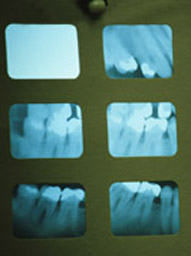
When X-rays pass through your mouth during a dental exam, more X-rays are absorbed by the denser parts (such as teeth and bone) than by soft tissues (such as cheeks and gums) before striking the film. This creates an image on the radiograph. Teeth appear lighter because fewer X-rays penetrate to reach the film. Cavities […]
...Read MoreSealants are liquid coatings that harden on the chewing surfaces of teeth and are showing a great deal of effectiveness in preventing cavities—even on teeth where decay has begun. The pits and grooves of your teeth are prime areas for opportunistic decay. Even regular brushing sometimes misses these intricate structures on the chewing surfaces of […]
...Read More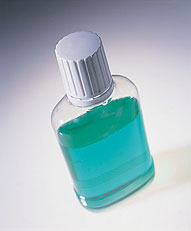
The Food and Drug Administration classifies mouth rinses into two categories – therapeutic and cosmetic. In general, therapeutic rinses with fluoride have been shown to actually fight cavities, plaque and gingivitis. On the other hand, cosmetic rinses merely treat breath odor, reduce bacteria and/or remove food particles in the mouth. They do nothing to treat […]
...Read More
For decades, fluoride has been held in high regard by the dental community as an important mineral that is absorbed into and strengthens tooth enamel, thereby helping to prevent decay of tooth structures. In nearly every U.S. community, public drinking supplies are supplemented with sodium fluoride because the practice is acknowledged as safe and effective […]
...Read More